How to Spot Mold Hiding Behind Bathroom Tile and Fixtures
Bathrooms are the most moisture-prone room in any home. Steam from hot showers, splashes from the sink, and lingering humidity create an environment where mold can thrive. While visible mold on caulking or grout is easy to spot, the real problem often hides out of sight. Mold can spread behind tiles, under vanities, and inside wall cavities long before you see any discoloration on the surface. A thorough bathroom mold inspection goes beyond what the eye can see, and knowing what to look for can save you from bigger structural and health issues down the line.
Why Mold Spreads Behind Bathroom Tiles
Tile is not waterproof. The grout between tiles, the caulk around edges, and the substrate behind the tile are all vulnerable to moisture. When water seeps through cracks, worn grout, or failed caulking, it gets trapped behind the tile. The dark, warm, damp space behind a tile wall is an ideal breeding ground for mold. Over time, the mold colony grows, feeding on organic matter in the adhesive, wood studs, or drywall behind the tile. The tile itself may look fine from the front while the hidden infestation expands.
Fixtures such as showerheads, faucets, and toilet bases are also common entry points. A slow leak from a pipe or a loose seal around a fixture lets water drip behind the wall or under the floor. Once moisture is present, mold can spread across large areas without any obvious sign on the finished surface. This is why a bathroom mold inspection that only checks visible surfaces is incomplete. You have to look for the subtle clues that moisture is getting where it should not.
Subtle Signs Mold Is Spreading Behind Tile
One of the first signs of hidden mold is a persistent musty smell. Even if the bathroom looks clean and dry, a damp, earthy odor hanging in the air often means mold is growing somewhere out of sight. Follow your nose to the area that smells strongest. It may be near a corner of the shower, behind a cabinet, or around the toilet base. The smell is a reliable indicator that moisture and mold are present, even if you cannot see them yet.
Another clue is bubbling or peeling paint or wallpaper. If the wall surface near a tiled area shows blisters, cracks, or paint that is lifting, moisture is likely pushing through from behind. Similarly, tiles that feel loose or sound hollow when tapped can indicate that the adhesive or substrate behind them has softened due to moisture damage. A hollow-sounding tile is a red flag that the backing material may be compromised and mold could be growing in the gap.
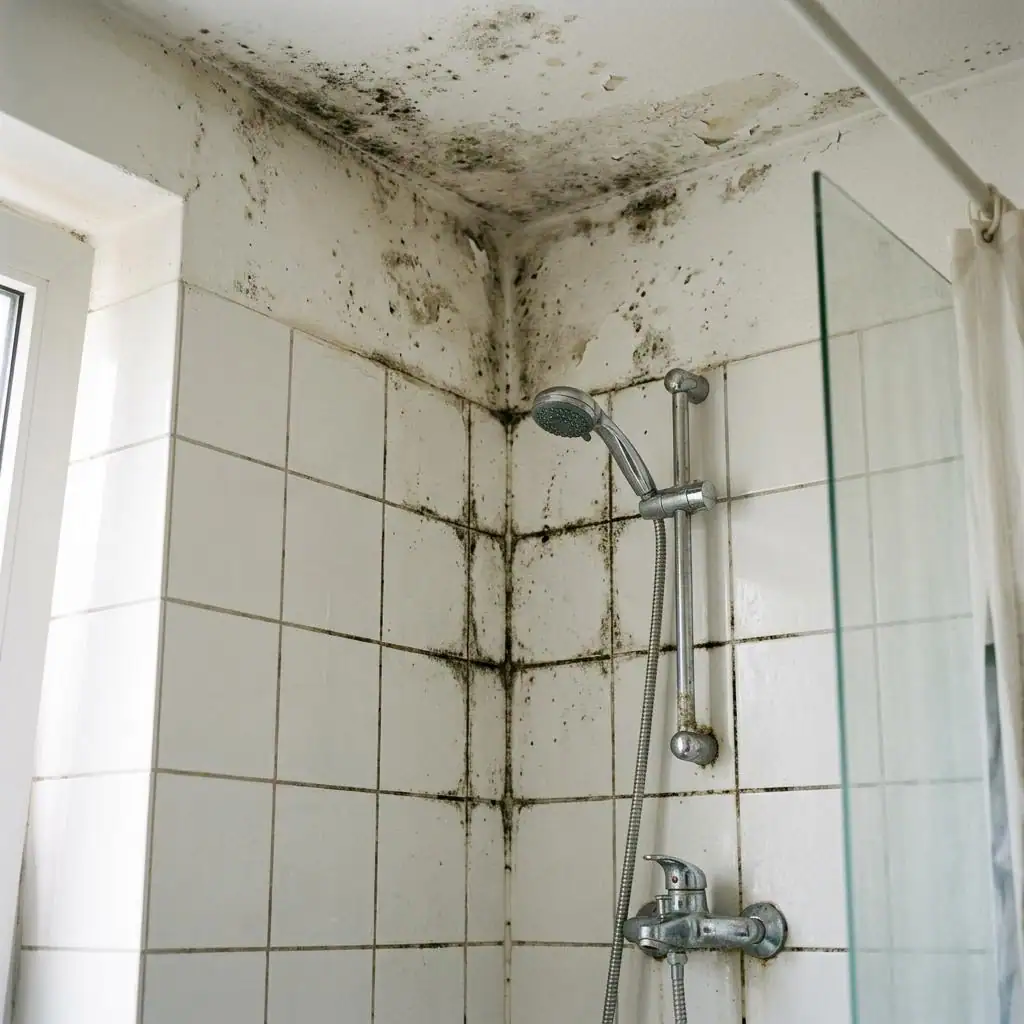
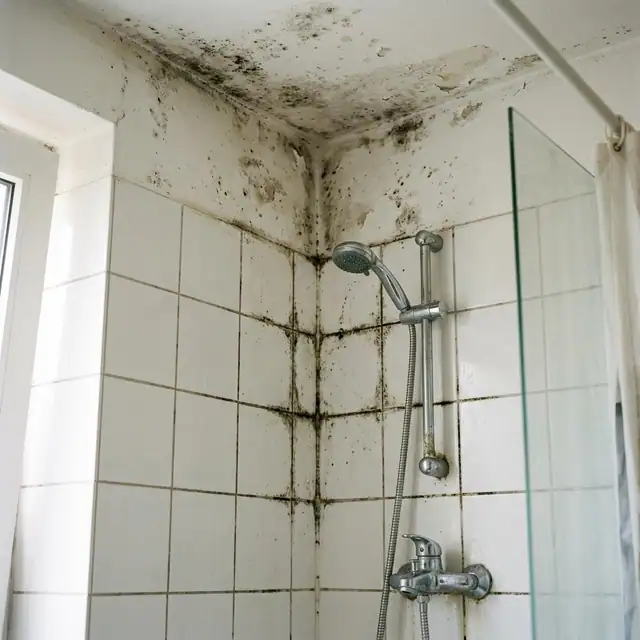
Discoloration or staining on the grout or caulk can also hint at deeper trouble. Dark spots, yellowing, or greenish streaks on the grout might seem like surface mold, but they can also be caused by moisture wicking from behind. If the grout itself is cracked or missing, water can easily travel behind the tile. Check the caulk lines around the shower base, sink, and tub. If the caulk is pulling away or has gaps, water can seep into the wall cavity.
Condensation patterns can also reveal hidden moisture. If you notice that a particular section of tile stays wet longer than the rest after a shower, or if the mirror fogs more heavily in one area, that spot may be cooler because moisture is evaporating from behind the tile. An infrared thermometer can help you spot temperature differences that indicate damp insulation or wet drywall behind the surface.
Fixtures That Frequently Hide Mold
Mold does not only spread behind tiles. Fixtures like the toilet, sink, and shower valve are common hiding spots. A loose toilet base or a worn wax ring can allow a slow leak that wicks into the flooring and subfloor. Mold can grow under the toilet for months before you see any stain on the floor. Similarly, the caulk around the sink where it meets the countertop or wall can fail, letting water run down the back of the vanity. Inside the vanity cabinet, check for water stains, soft wood, or a musty smell. If the floor under the sink feels damp or the cabinet base is discolored, mold is likely present.
The shower valve and showerhead connections are another area to inspect. Even a tiny drip from a shower arm into the wall can keep the area behind the tile damp. Look for rust, corrosion, or water stains on the escutcheon plate (the decorative cover around the pipe). If the plate does not sit flush against the tile, moisture can enter.
Exhaust fans and light fixtures in the ceiling or wall can also hide mold. If the fan is not venting humid air properly, condensation can form inside the ceiling cavity. Over time, this leads to mold growth on the attic side of the ceiling. A fan that sounds labored or does not seem to move much air is a warning sign. Check the vent cover for dust and debris that might be blocking airflow.
How to Inspect Without Damaging the Wall
A thorough bathroom mold inspection does not require tearing out tiles. Start with a careful visual check using a bright flashlight. Shine the light at a low angle across the tile surface. This can reveal subtle bulges or waves in the tile that indicate the substrate has swollen from moisture. Look at the grout lines closely. If they are cracked, missing, or discolored, water can penetrate. Run your finger along the grout to feel for soft spots. Grout that crumbles easily is a sign of age or moisture damage.
Use a moisture meter if you have one. These handheld devices can detect moisture behind tile and drywall without any drilling. They work by measuring the electrical resistance or capacitance of the material. A high reading in an area that seems dry on the surface means water is present behind the tile. Many hardware stores sell affordable moisture meters, and some home inspectors offer them as part of a mold inspection service. If you are not comfortable doing this yourself, a professional can do a non-invasive assessment.
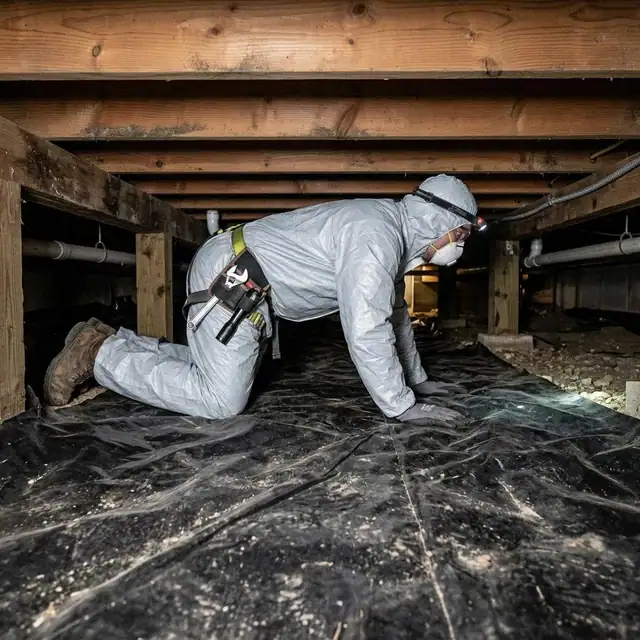
Another tool is a borescope or inspection camera. This is a small camera on a flexible cable that can be inserted into a small hole drilled in the grout or through a vent opening. With a borescope, you can see behind the tile or inside the wall cavity to check for mold growth. This is a minimally invasive method that gives a direct view of hidden mold. Some professionals use it as part of a standard mold inspection.
Pay attention to the texture and smell of the air. If you open a cabinet or pull back a shower curtain and feel a rush of damp, musty air, that is a strong indicator. Use your sense of touch as well. Walls that feel cool or damp to the hand may have moisture behind them. A damp wall feels different from a dry one, even if the surface looks the same.
When Hidden Mold Becomes a Structural Problem
Hidden mold is not just a health concern; it can also damage the materials that hold your bathroom together. Mold feeds on the cellulose in drywall, wood studs, and paper-faced insulation. As the colony grows, it weakens these materials. Drywall can become soft and crumbly. Wood studs can rot, losing their structural strength. Over time, the tile may begin to crack or detach from the wall because the backing has deteriorated. The grout may crack and separate. In severe cases, the floor or wall may sag or bow.
If you suspect hidden mold, it is wise to act promptly. Ignoring the signs can lead to more extensive damage and a more expensive remediation down the road. The longer moisture and mold are allowed to persist, the more material they damage. What starts as a small patch of hidden mold can spread to adjacent rooms or into the floor joists. A professional mold remediation service can assess the extent of the problem and remove the mold safely, while also addressing the moisture source that allowed it to grow.
What to Do If You Find Signs of Hidden Mold
If your bathroom mold inspection reveals any of the signs described above, the next step is to stop the moisture source. This might mean repairing a leak, replacing worn caulk, or improving ventilation. Simple fixes like resealing a tub or replacing a toilet wax ring can prevent further water intrusion. In some cases, the damage is more extensive and requires opening up the wall to replace wet insulation and treat the mold.
For minor hidden mold behind a small area of tile, you may be able to remove the affected tile, clean and treat the substrate, and reinstall new tile. But if the mold has spread across a large area or into the framing, professional help is often needed. Mold remediation specialists have the equipment and training to contain the mold, remove contaminated materials, and treat the area to prevent regrowth. They can also identify and fix the underlying moisture issue, which is the only way to keep mold from returning.
For residents of the Boston area, Mold Removal Boston Pros offers a service that addresses visible growth, hidden moisture, damaged materials, and ventilation problems. A thorough bathroom mold inspection from a qualified team can identify problems you might miss on your own. Mold Removal Boston Pros can help you understand the full extent of the issue and recommend the right approach for your situation. Whether the mold is behind a single tile or spread through an entire wall, addressing it early saves time, money, and protects your home.
Preventing Hidden Mold From Returning
Once hidden mold has been removed, prevention is key. Keep the bathroom well-ventilated. Run the exhaust fan during and after showers for at least 20 minutes. If the bathroom has no fan, open a window or use a dehumidifier. Wipe down wet surfaces after use, including tiles, shower doors, and sinks. Check caulk and grout annually and reseal any areas that show signs of wear. Fix leaks immediately, even tiny drips. A small drip can create a big problem over time.
Consider using a bathroom paint that is mold-resistant, and choose fixtures with tight seals. If you are remodeling, install a moisture barrier behind the tile and use cement board instead of drywall in wet areas. These steps will reduce the chance of moisture reaching the vulnerable materials behind the tile. Regular bathroom mold inspection, even when you see no visible mold, can catch problems early. A quick check every few months with a flashlight and a moisture meter can give you peace of mind.
Hidden mold is a silent problem that can grow for years without being noticed. By learning the signs and knowing where to look, you can protect your bathroom and your home from the damage mold can cause. A proactive approach keeps your bathroom looking good, smelling fresh, and functioning properly for years to come.
Corrections
Spot something wrong? Send it to the desk and it gets fixed in the open.